I was supposed to be making apple cider donuts. That was the plan, anyway. I had the cider reduced, the spices measured, the butter softening on the counter. But somewhere between answering a text from my sister and realizing I was out of buttermilk, the whole thing fell apart. I stood there staring at a bowl of reduced apple cider, melted butter, and a very confused expression. The oven was already preheated. The kids were already hungry. And I was already that kind of tired where you just need something sweet to happen, fast.
So I did what any reasonable person would do when a recipe goes sideways. I threw the whole thing into a cake pan instead. I mean, why not? Flour, sugar, eggs—it was all there. I just needed to adjust the ratios and hope for the best. Honestly, I was half expecting a dense, sad disc of something that tasted like burnt apples. But what came out of that oven was nothing like the plan. It was better. Way better.
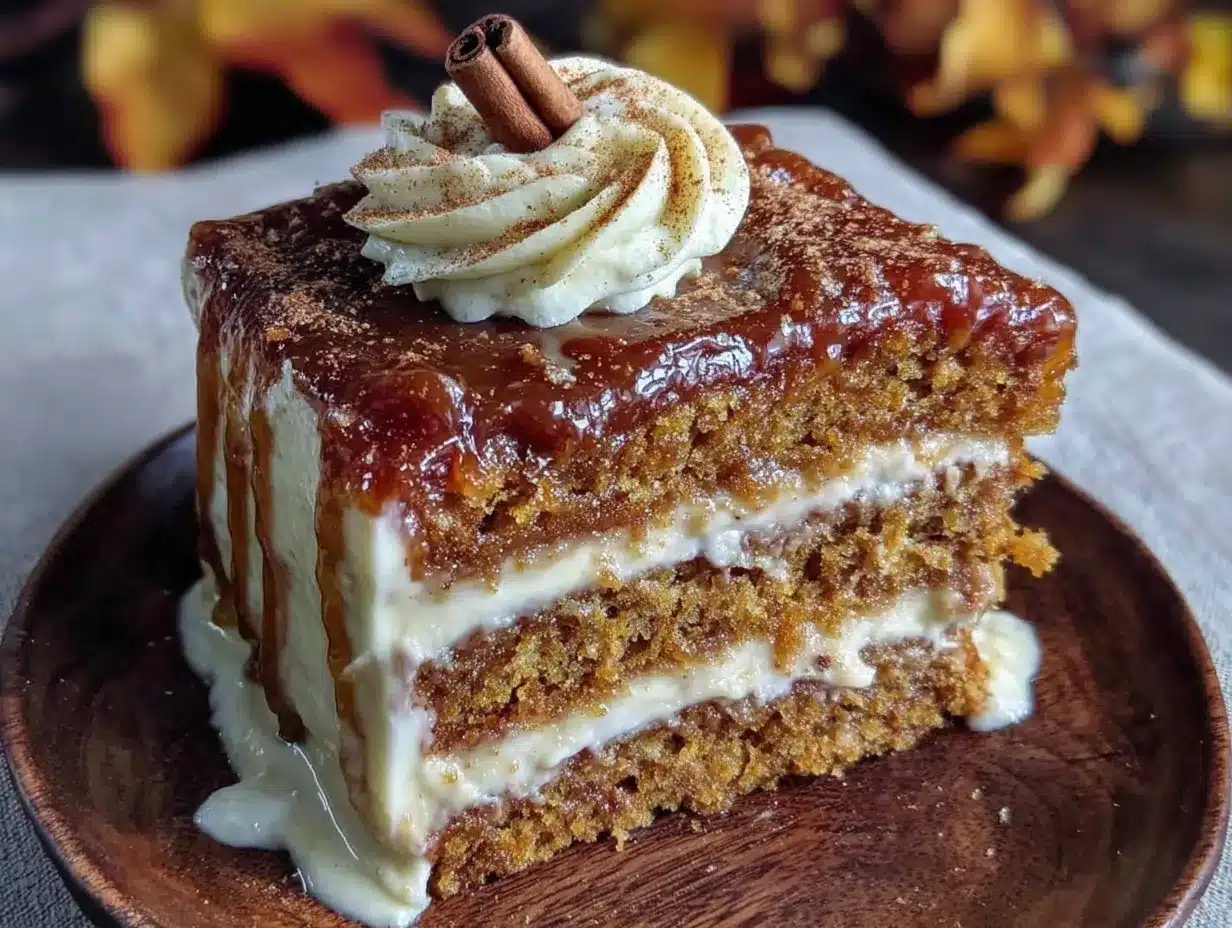
The cake was tender, almost velvety, with this deep, concentrated apple flavor that tasted like autumn had been distilled into a single bite. And the caramel undertones? Pure accident. I had let the cider reduce a little too long, and that mistake turned into the star of the show. That first bite was one of those moments where you stop, look at the pan, and think, “Wait, did I just do something right?”
Maybe you’ve been there—standing in your kitchen, ready to give up on dinner or dessert or whatever you were trying to make, when something unexpected happens. A wrong turn that leads to a better place. That’s this cake for me. It started as a failed attempt at donuts, and now it’s the only apple cake I ever make. The kind you don’t plan for, but somehow end up craving all year long.
Why You’ll Love This Recipe
Look, I’ve tested this cake more times than I care to admit. I’ve made it with fresh cider, with store-bought, with cider that was accidentally boiled too long and turned into something closer to syrup. Every single time, it delivered. Here’s why this one stands out from the crowd of apple cakes out there:
- Quick & Easy: From start to finish, this cake is on your table in about an hour. Most of that time is hands-off baking, which means you can actually sit down for a minute.
- Simple Ingredients: You probably have 90% of these in your pantry right now. No weird extracts, no specialty flours, no hunting down obscure ingredients.
- Perfect for Weeknights: This isn’t a “save it for a special occasion” cake. It’s a Tuesday night, kids are doing homework, you need something warm kind of cake.
- Crowd-Pleaser: I brought this to a potluck last fall, and three different people asked for the recipe before I even got my coat off.
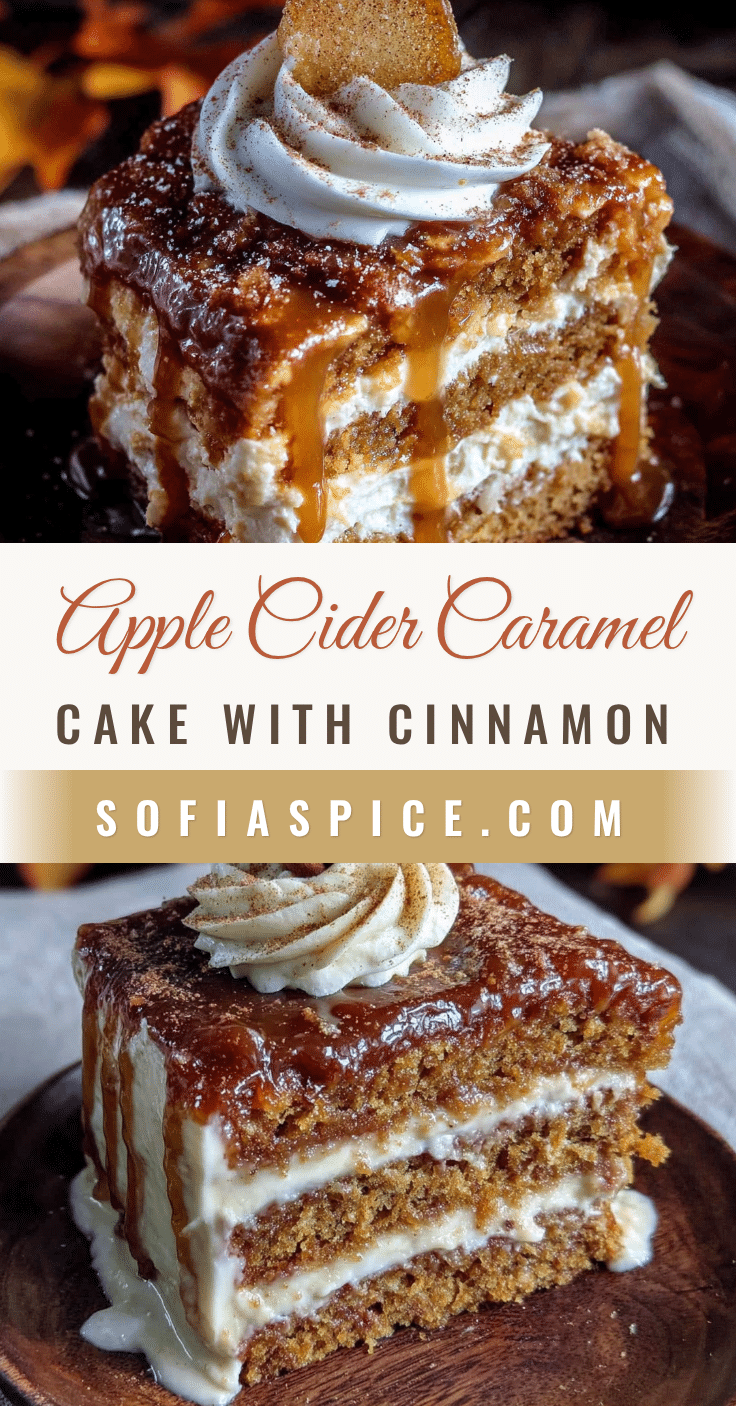
- Unbelievably Delicious: The texture is what gets people. It’s moist without being heavy, tender without being crumbly. And that cinnamon buttercream? Let’s just say it’s the kind of frosting you want to eat with a spoon.
What makes this recipe different is the technique. Most apple cakes rely on chunks of fruit or applesauce, but this one uses reduced apple cider as the main liquid. That reduction concentrates the flavor and adds a natural caramel sweetness that you just can’t get any other way. It’s not just another apple cake—it’s the one that will ruin you for all others.
And honestly? This cake makes you feel something. It’s comfort food reimagined—faster, simpler, but with the same soul-soothing satisfaction. Perfect for impressing guests without stress, or turning a simple weeknight into something memorable.
What Ingredients You Will Need
This recipe uses simple, wholesome ingredients to deliver bold flavor and satisfying texture without the fuss. Most of these are pantry staples, so you can probably make this cake right now without a trip to the store.
For the Cake
- Apple cider, 1 ½ cups (360 ml) — Look for fresh, unfiltered cider if you can find it. The flavor is brighter and more authentic. You’ll reduce this on the stove, so don’t skip that step—it’s where the magic happens.
- All-purpose flour, 2 cups (250 g) — Spoon and level it. Packing your flour is the fastest way to a dry cake. I use King Arthur Flour for consistent results.
- Granulated sugar, 1 cup (200 g) — Regular white sugar works perfectly here. The caramel notes come from the cider, not the sugar itself.
- Light brown sugar, ½ cup (100 g), packed — This adds moisture and a hint of molasses that plays beautifully with the apple flavor.
- Unsalted butter, ½ cup (113 g), melted and slightly cooled — Melted butter gives this cake a tender, almost pound-cake-like texture. I prefer Land O’Lakes for baking.
- Large eggs, 2, at room temperature — Room temperature eggs incorporate more evenly into the batter. If you forgot to take them out, place them in a bowl of warm water for 5 minutes.
- Vanilla extract, 2 teaspoons — Pure vanilla, not imitation. It makes a difference in the depth of flavor.
- Baking powder, 1 ½ teaspoons — Make sure it’s fresh. Old baking powder won’t give you the lift you need.
- Baking soda, ½ teaspoon — This helps with browning and tenderness.
- Salt, ½ teaspoon — Don’t skip it. Salt balances the sweetness and enhances the apple flavor.
- Ground cinnamon, 1 teaspoon — This is the backbone of the spice profile. I use McCormick, but any good brand works.
- Ground nutmeg, ¼ teaspoon — Freshly grated if you have it. It adds a warmth that pre-ground sometimes lacks.
- Ground cloves, ⅛ teaspoon — Just a pinch. Cloves are potent, and you want a whisper, not a shout.
For the Cinnamon Buttercream
- Unsalted butter, 1 cup (226 g), softened — Let it sit out for at least 30 minutes. Cold butter won’t cream properly.
- Powdered sugar, 3 cups (360 g), sifted — Sifting removes lumps and gives you a silky smooth frosting.
- Ground cinnamon, 2 teaspoons — Yes, double the cinnamon from the cake. The frosting should taste distinctly spiced.
- Vanilla extract, 1 teaspoon — Pure, again.
- Heavy cream, 2-3 tablespoons (30-45 ml) — This adjusts the consistency. Start with 2 and add more if needed.
- Salt, a pinch — To cut the sweetness and round out the flavors.
For the Caramel Drizzle (Optional but Recommended)
- Store-bought or homemade caramel sauce, about ¼ cup (60 ml) — I’ve used both, and honestly, a good store-bought caramel like Ghirardelli works beautifully. If you’re feeling ambitious, a quick homemade version with brown sugar and cream is even better.
Equipment Needed
You don’t need a lot of fancy equipment for this cake. Here’s what you’ll need:
- 9-inch round cake pan — A standard metal pan works best. Glass pans can cause the edges to brown too quickly.
- Medium saucepan — For reducing the apple cider. A 2-quart size is perfect.
- Large mixing bowl — For the dry ingredients.
- Medium mixing bowl — For the wet ingredients.
- Whisk — A good whisk is worth its weight in gold for aerating the batter.
- Rubber spatula — For scraping down the bowl and folding ingredients.
- Electric hand mixer or stand mixer — For the buttercream. You can do it by hand, but your arm will thank you for the mixer.
- Parchment paper — Line the bottom of the pan for easy release. Trust me on this one.
- Cooling rack — A wire rack lets air circulate so the cake cools evenly.
If you don’t have a 9-inch round pan, an 8-inch square pan works too. Just adjust the baking time by about 5 minutes. And if you’re really in a pinch, a loaf pan will work—but the cake will be taller and need an extra 10-15 minutes in the oven.
Preparation Method
- Preheat your oven to 350°F (175°C). Position the rack in the center. Grease your 9-inch round cake pan and line the bottom with a circle of parchment paper. This step is non-negotiable if you want the cake to come out cleanly.
- Reduce the apple cider. Pour the 1½ cups of apple cider into a medium saucepan and bring it to a boil over medium-high heat. Once it’s boiling, reduce the heat to medium-low and let it simmer. You’re looking for it to reduce down to about ½ cup (120 ml). This takes roughly 15-20 minutes. Keep an eye on it—you want it thick and syrupy, not scorched. When it’s done, remove it from the heat and let it cool for 5 minutes. The smell alone will make you want to drink it straight from the pan.
- Whisk the dry ingredients. In a large mixing bowl, combine the flour, baking powder, baking soda, salt, cinnamon, nutmeg, and cloves. Whisk them together until they’re evenly distributed. This takes about 30 seconds. Set it aside.
- Mix the wet ingredients. In a medium mixing bowl, whisk together the granulated sugar, brown sugar, melted butter, eggs, and vanilla extract. Whisk until the mixture is smooth and slightly thickened, about 1 minute. Then, slowly pour in the reduced apple cider while whisking constantly. The batter will look a little thin at this point—that’s normal.
- Combine wet and dry. Pour the wet ingredients into the dry ingredients. Use a rubber spatula to fold them together gently. Mix just until you no longer see streaks of flour. A few small lumps are fine. Overmixing will make the cake tough, so resist the urge to keep stirring.
- Pour and bake. Pour the batter into the prepared pan and spread it evenly with the spatula. Bake for 30-35 minutes, or until a toothpick inserted into the center comes out clean or with a few moist crumbs. The top should be golden brown and spring back when touched lightly. Let the cake cool in the pan for 10 minutes, then turn it out onto a wire rack to cool completely. Don’t rush this—if you frost a warm cake, the buttercream will melt into a puddle.
- Make the cinnamon buttercream. While the cake is cooling, make the frosting. In a large bowl (or the bowl of a stand mixer), beat the softened butter on medium speed until it’s smooth and creamy, about 2 minutes. Add the sifted powdered sugar, cinnamon, vanilla extract, and a pinch of salt. Beat on low speed until the sugar is incorporated, then increase to medium-high and beat for 3-4 minutes. Add the heavy cream one tablespoon at a time until the frosting reaches your desired consistency. You want it spreadable but not runny.
- Frost the cake. Once the cake is completely cool, place it on a serving plate. Use an offset spatula or a butter knife to spread the cinnamon buttercream evenly over the top and sides. Don’t worry about making it perfect—a rustic look suits this cake beautifully.
- Add the caramel drizzle. Warm the caramel sauce slightly so it’s pourable, then drizzle it over the top of the frosted cake. Let it drip down the sides for that dramatic, bakery-style look. If you’re feeling extra, add a sprinkle of flaky sea salt on top.
Cooking Tips & Techniques
I’ve made this cake enough times to know where things can go wrong. Here are the lessons I learned the hard way so you don’t have to:
Don’t rush the cider reduction. I know it’s tempting to crank up the heat and get it done faster, but high heat can scorch the cider and turn it bitter. Keep it at a gentle simmer and watch it closely. The color should deepen to a rich amber, and it should coat the back of a spoon when it’s ready.
Room temperature ingredients matter. I once used cold eggs straight from the fridge, and the batter seized up. The cake still baked, but it was denser and less tender. Give your eggs and butter time to come to room temperature. It’s a small step that makes a big difference.
Check your baking powder. If your baking powder is more than 6 months old, it might not be active enough. Test it by dropping a teaspoon into hot water—if it fizzes vigorously, it’s good. If not, buy a new can. A flat cake is a sad cake.
Let the cake cool completely. I know you’re impatient. I am too. But frosting a warm cake is a recipe for disaster. The buttercream will slide right off, and you’ll be left with a sticky mess. Walk away. Do the dishes. Call your mom. The cake will still be there when you get back.
Toast the cinnamon. This is a pro tip I picked up from a pastry chef friend. If you have an extra minute, toast the ground cinnamon in a dry pan over low heat for about 30 seconds before adding it to the buttercream. It releases the essential oils and makes the flavor more intense and aromatic. Just don’t walk away—burnt cinnamon smells terrible.
Variations & Adaptations
This cake is incredibly forgiving. Here are some ways to make it your own:
Gluten-Free Version: Swap the all-purpose flour for a 1:1 gluten-free baking flour blend. I’ve used Bob’s Red Mill with great results. The texture will be slightly more tender, but the flavor stays true. Add an extra tablespoon of cider to compensate for the drier flour blend.
Dairy-Free Adaptation: Use melted coconut oil or vegan butter instead of regular butter in the cake. For the frosting, use a dairy-free butter substitute and a plant-based heavy cream (like oat or coconut cream). The cake will be a touch denser, but still delicious.
Apple Cider Caramel Cake as a Layer Cake: Double the recipe and bake it in two 9-inch pans. Layer the cakes with extra buttercream and caramel in between. This version is a showstopper for birthdays or holiday gatherings.
Spice It Up: Add ½ teaspoon of ground ginger and ¼ teaspoon of cardamom to the dry ingredients for a more complex spice profile. The ginger adds a little warmth, and the cardamom brings a floral note that pairs beautifully with the apple.
Maple Twist: Replace the brown sugar with maple sugar and add 2 tablespoons of pure maple syrup to the wet ingredients. The maple flavor will complement the apple cider without overpowering it.
Serving & Storage Suggestions
This cake is best served at room temperature. If you’ve refrigerated it, let it sit on the counter for about 30 minutes before slicing. The buttercream softens and the flavors open up.
For the full experience, serve each slice with a dollop of lightly sweetened whipped cream and a sprinkle of cinnamon. A hot cup of coffee or a mug of spiced cider on the side turns this into a proper fall moment.
Storage: Keep the cake in an airtight container at room temperature for up to 3 days. If your kitchen is warm, refrigerate it—the buttercream can soften too much. Bring slices to room temperature before serving for the best texture.
Freezing: You can freeze the unfrosted cake for up to 3 months. Wrap it tightly in plastic wrap, then in foil. When you’re ready to serve, thaw it overnight in the refrigerator, then bring it to room temperature before frosting. The buttercream also freezes well—store it in a freezer-safe bag and thaw it in the fridge before re-whipping.
The flavors actually deepen after a day or two. I’ve found that day-old cake tastes even more apple-forward, so don’t be afraid to make it ahead of time.
Nutritional Information & Benefits
Here’s the honest truth: this is a treat. It’s not health food, and I’m not going to pretend it is. But knowing what’s in it can help you enjoy it mindfully.
Per slice (based on 12 servings, with frosting and caramel drizzle):
- Calories: 420
- Fat: 22g
- Carbohydrates: 55g
- Protein: 4g
- Fiber: 1g
- Sugar: 38g
The apple cider does bring some benefits—it contains antioxidants and a small amount of vitamin C. The cinnamon in both the cake and the frosting has anti-inflammatory properties and can help regulate blood sugar. And honestly? Sometimes the biggest benefit is the joy of eating something that makes you feel warm and happy. That counts for something too.
If you’re watching your sugar intake, you can reduce the granulated sugar by ¼ cup and use a sugar substitute in the frosting. But I’ll be real with you—this cake is meant to be indulgent. The best approach is to enjoy a reasonable slice and savor every bite.
Conclusion
This Easy Apple Cider Caramel Cake with Cinnamon Buttercream started as a mistake, but it’s become one of my most-requested recipes. It’s proof that sometimes the best things happen when you let go of the plan and trust your instincts. The cake is tender, the frosting is dreamy, and the caramel drizzle is the kind of finishing touch that makes people think you spent hours in the kitchen.
I hope you make this cake for your family, for your friends, or just for yourself on a quiet Tuesday night. Customize it, play with the spices, add your own twist. That’s the beauty of baking—it’s never the same twice.
When you make it, come back and tell me how it turned out. Did you add extra cinnamon? Skip the caramel? Did your kids eat it before you could even get a slice? I want to hear about it. Drop a comment below, share a photo, or tag me on social media. Happy baking!
Frequently Asked Questions
Can I use apple juice instead of apple cider?
Technically, yes, but the flavor won’t be as rich. Apple juice is thinner and less concentrated than cider, so you’ll lose some of that deep, tangy apple taste. If you’re in a pinch, add a tablespoon of apple cider vinegar to the juice to mimic some of the acidity.
Can I make this cake without the caramel drizzle?
Absolutely. The cake and cinnamon buttercream are delicious on their own. The caramel is just an extra indulgence. If you’re short on time or ingredients, skip it without guilt.
How do I know when the apple cider is reduced enough?
You’re looking for about ½ cup of thick, syrupy liquid. It should coat the back of a spoon and have a deep amber color. If you tilt the pan and it moves slowly, like warm maple syrup, you’re there.
Can I use a different frosting?
Sure. Cream cheese frosting is a fantastic alternative—the tanginess cuts through the sweetness of the cake beautifully. A simple vanilla glaze would also work if you want something lighter.
Why did my cake sink in the middle?
This usually happens if the oven door was opened too early, or if the batter was overmixed. Try to resist opening the oven for the first 25 minutes of baking. Also, make sure your baking powder and baking soda are fresh—old leavening agents can cause structural issues.
Pin This Recipe!
Easy Apple Cider Caramel Cake Recipe with Cinnamon Buttercream
A tender, velvety apple cake made with reduced apple cider for deep, concentrated flavor, topped with a spiced cinnamon buttercream and optional caramel drizzle. This easy, one-layer cake is perfect for weeknights and impressing guests alike.
- Prep Time: 20 minutes
- Cook Time: 35 minutes
- Total Time: 55 minutes
- Yield: 12 servings 1x
- Category: Dessert
- Cuisine: American
Ingredients
- 1 ½ cups (360 ml) apple cider
- 2 cups (250 g) all-purpose flour
- 1 cup (200 g) granulated sugar
- ½ cup (100 g) light brown sugar, packed
- ½ cup (113 g) unsalted butter, melted and slightly cooled
- 2 large eggs, at room temperature
- 2 teaspoons vanilla extract
- 1 ½ teaspoons baking powder
- ½ teaspoon baking soda
- ½ teaspoon salt
- 1 teaspoon ground cinnamon
- ¼ teaspoon ground nutmeg
- ⅛ teaspoon ground cloves
- 1 cup (226 g) unsalted butter, softened (for buttercream)
- 3 cups (360 g) powdered sugar, sifted (for buttercream)
- 2 teaspoons ground cinnamon (for buttercream)
- 1 teaspoon vanilla extract (for buttercream)
- 2–3 tablespoons (30–45 ml) heavy cream (for buttercream)
- Pinch of salt (for buttercream)
- ¼ cup (60 ml) caramel sauce (optional, for drizzle)
Instructions
- Preheat your oven to 350°F (175°C). Grease a 9-inch round cake pan and line the bottom with parchment paper.
- Reduce the apple cider: Pour 1½ cups apple cider into a medium saucepan and bring to a boil over medium-high heat. Reduce heat to medium-low and simmer until reduced to about ½ cup (120 ml), about 15-20 minutes. Remove from heat and let cool for 5 minutes.
- Whisk dry ingredients: In a large bowl, combine flour, baking powder, baking soda, salt, cinnamon, nutmeg, and cloves. Whisk until evenly distributed.
- Mix wet ingredients: In a medium bowl, whisk together granulated sugar, brown sugar, melted butter, eggs, and vanilla extract until smooth and slightly thickened, about 1 minute. Slowly pour in the reduced apple cider while whisking constantly.
- Combine wet and dry: Pour wet ingredients into dry ingredients and fold gently with a rubber spatula until just combined. Do not overmix.
- Pour and bake: Pour batter into prepared pan and spread evenly. Bake for 30-35 minutes, or until a toothpick inserted into the center comes out clean or with a few moist crumbs. Let cool in pan for 10 minutes, then turn out onto a wire rack to cool completely.
- Make the cinnamon buttercream: In a large bowl, beat softened butter on medium speed until smooth and creamy, about 2 minutes. Add sifted powdered sugar, cinnamon, vanilla extract, and a pinch of salt. Beat on low until incorporated, then increase to medium-high and beat for 3-4 minutes. Add heavy cream one tablespoon at a time until desired consistency is reached.
- Frost the cake: Once cake is completely cool, place on a serving plate and spread cinnamon buttercream evenly over the top and sides.
- Add the caramel drizzle: Warm caramel sauce slightly, then drizzle over the frosted cake. Optionally, sprinkle with flaky sea salt.
Notes
Don’t rush the cider reduction; keep at a gentle simmer to avoid scorching. Room temperature ingredients ensure a tender crumb. Let the cake cool completely before frosting to prevent the buttercream from melting. For a pro tip, toast the ground cinnamon in a dry pan over low heat for 30 seconds before adding to the buttercream for a more intense flavor.
Nutrition
- Serving Size: 1 slice
- Calories: 420
- Sugar: 38
- Sodium: 280
- Fat: 22
- Saturated Fat: 13
- Carbohydrates: 55
- Fiber: 1
- Protein: 4
Keywords: apple cider cake, caramel cake, cinnamon buttercream, fall dessert, easy cake recipe, apple cake