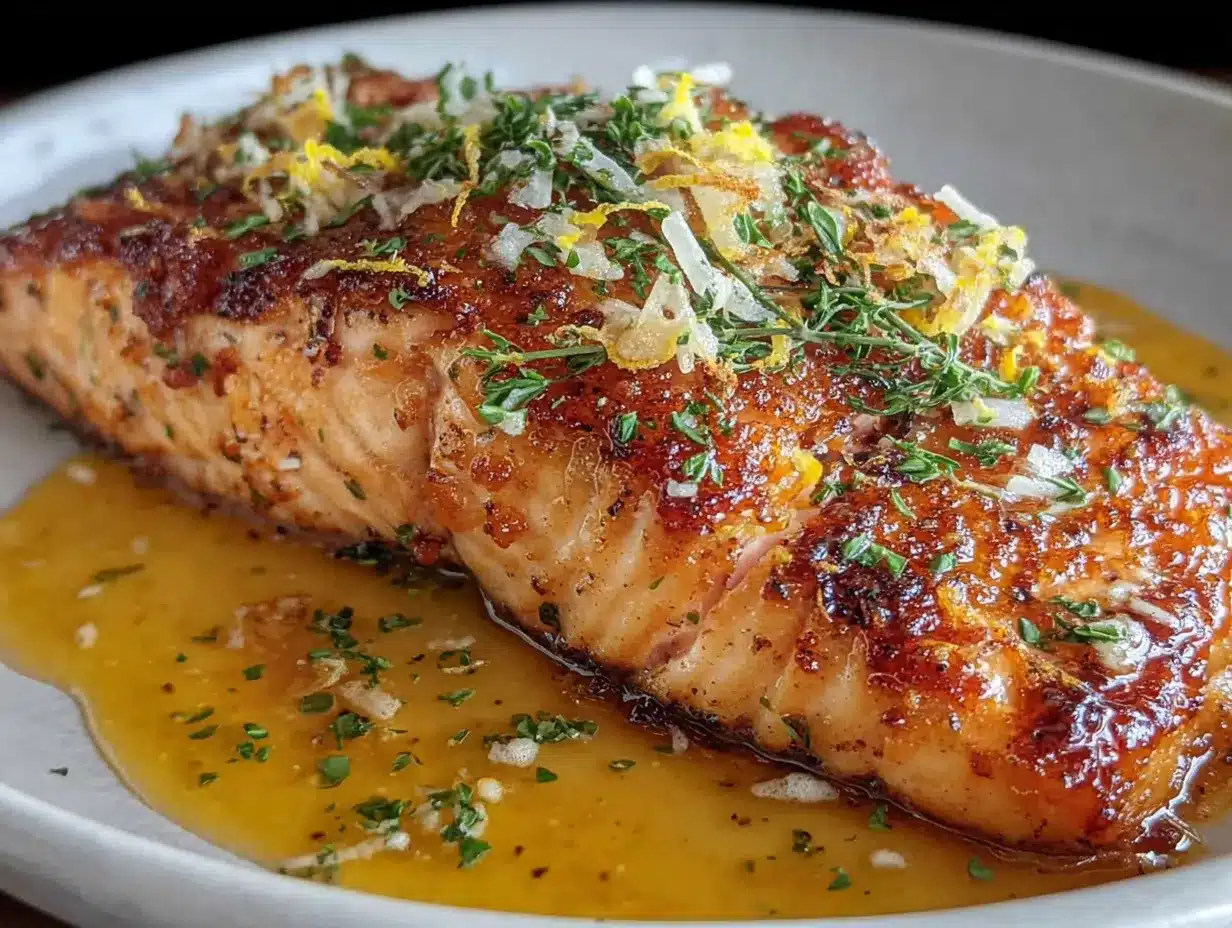
The last fork scraped against the dish, and my brother-in-law actually looked disappointed. He wasn’t done. Nobody was. I had made this baked salmon on a random Tuesday, mostly because I had a filet in the fridge that needed cooking and a lemon that was about to go soft. I didn’t think much of it. But the silence at the table — that focused, happy silence — told me I had stumbled onto something. The lemon butter sauce pooled around the fish, soaking into the rice underneath, and everyone kept going back for more. By the time I cleared the plates, the only thing left was a smudge of garlic and butter. That’s when I knew this one was a keeper.
I’ve made a lot of salmon in my time. Pan-seared, grilled, even poached (which, let’s be honest, is a texture gamble). But this baked salmon with lemon butter sauce? It’s the one I come back to. It’s not fussy. It doesn’t require a fish thermometer or a chef’s torch. It just works. The fish comes out tender and flaky, and the sauce — oh, the sauce. It’s buttery, bright, and just a little bit garlicky. It feels special, but it’s simple enough for a weeknight. Honestly, that’s my favorite kind of cooking.
If you’ve ever been intimidated by cooking fish at home, I get it. I’ve been there. But this recipe is forgiving. It’s hard to mess up. And once you taste that first forkful of perfectly cooked salmon with that glossy lemon butter sauce, you’ll wonder why you ever ordered it out. Let me show you how easy it really is.
Why You’ll Love This Recipe
I’ve tested this baked salmon recipe more times than I can count. I’ve played with oven temperatures, different thicknesses of fish, and even swapped out the butter for olive oil once (don’t do it, it’s not the same). What I’m sharing with you today is the version that works every single time. Here’s why it stands out:
- Quick & Easy: From fridge to table in under 30 minutes. That’s faster than takeout, and way more satisfying.
- Simple Ingredients: You probably have everything already. Butter, lemon, garlic, salt, pepper. That’s it. No weird pantry items.
- Perfect for Busy Weeknights: This is the kind of dinner that feels like a treat but doesn’t keep you in the kitchen. It’s my go-to when I want something good without the effort.
- Crowd-Pleaser: I’ve served this to picky kids, seafood skeptics, and serious foodies. Everyone cleans their plate. The lemon butter sauce is the secret weapon.
- Unbelievably Delicious: The salmon comes out tender and flaky, and the sauce is rich without being heavy. It’s comfort food that feels a little fancy.
What makes this different from every other baked salmon recipe out there? It’s the technique. Instead of just drizzling butter on top, we create a shallow bath of lemon butter sauce in the baking dish. The salmon cooks right in it, absorbing all that flavor. The result is a fish that’s moist and infused with garlic and lemon, not dry and bland. Plus, the sauce reduces slightly in the oven, becoming even more concentrated and delicious. This isn’t just another recipe — it’s the best version I’ve found, and I’m honestly a little proud of it.
This is the kind of meal that makes you close your eyes after the first bite. It’s simple, it’s fast, and it’s absolutely worth making.
What Ingredients You Will Need
This recipe uses simple, wholesome ingredients to deliver bold flavor and satisfying texture without the fuss. Everything is easy to find, and most of it is probably already in your kitchen.
- Salmon Fillets (4 fillets, about 6 ounces each): Look for fillets that are similar in thickness so they cook evenly. I prefer center-cut fillets for the best texture. Wild-caught salmon is great, but farm-raised Atlantic salmon works beautifully here too — it’s a little fattier, which means it’s harder to overcook. (Pro tip: ask your fishmonger to remove the pin bones for you.)
- Unsalted Butter (4 tablespoons, melted): This is the backbone of the sauce. Unsalted gives you control over the salt level. If you only have salted butter, just reduce the added salt in the recipe.
- Lemon Juice (3 tablespoons, freshly squeezed): Fresh is non-negotiable here. Bottled lemon juice has a flat, bitter taste that won’t do your sauce any favors. One large lemon should give you enough juice.
- Garlic (4 cloves, minced): Fresh garlic adds a punchy, aromatic flavor that’s essential. Don’t use the pre-minced stuff from a jar — it’s often bitter and lacks that fresh kick.
- Lemon Zest (1 teaspoon): This is where the bright, floral lemon flavor lives. Use a microplane or the fine side of a box grater. Be careful not to get the white pith, which is bitter.
- Dijon Mustard (1 teaspoon): This might seem like a strange addition, but trust me. It emulsifies the butter and lemon juice, creating a silky, cohesive sauce. You won’t taste the mustard at all.
- Honey (1 teaspoon): Just a touch to balance the acidity of the lemon. It rounds out the sauce without making it sweet.
- Olive Oil (1 tablespoon): For brushing the baking dish and the salmon. It helps prevent sticking and adds a little richness.
- Salt and Black Pepper (to taste): I use kosher salt for its clean flavor. Season the salmon generously — it’s a thick piece of fish and needs it.
- Fresh Parsley (2 tablespoons, chopped, for garnish): Adds a pop of color and freshness. Optional, but highly recommended.
- Optional for Serving: Lemon wedges, extra fresh herbs like dill or thyme.
Ingredient Tips: For the best results, let your salmon sit at room temperature for about 15 minutes before cooking. This helps it cook more evenly. Also, if you’re using wild-caught salmon, be careful not to overcook it — it’s leaner and can dry out faster than farmed salmon. I recommend using Kerrygold or another high-quality European-style butter for the sauce. The higher fat content makes for a richer, creamier result.
Equipment Needed
You don’t need a lot of fancy gear for this recipe, which is part of why I love it. Here’s what you’ll need:
- Baking Dish (9×13 inch or similar): A glass or ceramic dish works best. It conducts heat evenly and is easy to clean. A metal baking pan will work too, but keep an eye on the cooking time — metal heats up faster.
- Small Bowl: For whisking together the lemon butter sauce.
- Whisk: To emulsify the sauce. A fork will work in a pinch, but a whisk makes it easier.
- Microplane or Zester: For getting that fine lemon zest without the bitter pith.
- Chef’s Knife: For mincing garlic and chopping parsley.
- Cutting Board: A sturdy one that won’t slide around.
- Fish Spatula: This thin, slotted spatula is perfect for lifting the delicate cooked salmon without it falling apart. If you don’t have one, a regular spatula works — just be gentle.
- Instant-Read Thermometer (optional but helpful): If you’re nervous about overcooking, this takes the guesswork out. Salmon is done at 125-130°F for medium, or 135-140°F for well-done.
Budget-Friendly Tip: You don’t need a fancy microplane — the fine side of a box grater works perfectly for zesting lemons. And honestly, I’ve made this recipe with just a baking dish, a knife, and a fork more times than I can count.
Preparation Method
Let’s get cooking. This comes together fast, so I like to have everything prepped before I turn on the oven. Read through the steps once, then dive in.
- Preheat the oven to 400°F (200°C). Position a rack in the center of the oven. While it heats, take your salmon out of the fridge and let it sit at room temperature for 15 minutes. This is important — cold fish cooks unevenly.
- Make the lemon butter sauce. In a small bowl, whisk together the melted butter, lemon juice, minced garlic, lemon zest, Dijon mustard, and honey. Whisk until it’s smooth and slightly thickened, about 30 seconds. The mustard helps everything stay together instead of separating into a greasy mess. Set it aside.
- Prep the salmon. Pat the salmon fillets dry with paper towels. This is a crucial step — dry fish browns better and doesn’t steam in the oven. Season both sides generously with salt and black pepper. Don’t be shy with the salt; it’s a thick piece of fish.
- Prepare the baking dish. Brush the bottom of your baking dish with the olive oil. This prevents the salmon from sticking and adds a little flavor. Place the salmon fillets skin-side down (if they have skin) in the dish, leaving a little space between each piece so they cook evenly.
- Pour the sauce. Pour the lemon butter sauce evenly over the salmon fillets. Use a spoon or brush to make sure each fillet is well coated. Don’t worry if some sauce pools in the bottom of the dish — that’s exactly what we want. The salmon will cook in this buttery bath, staying moist and flavorful.
- Bake the salmon. Place the dish in the preheated oven and bake for 12-15 minutes, depending on the thickness of your fillets. For fillets that are about 1 inch thick, 12 minutes is usually perfect. The salmon is done when it flakes easily with a fork and the center is just slightly translucent. If you’re using a thermometer, look for 125-130°F for medium, or 135-140°F for well-done.
- Broil for a golden top (optional). If you want a slightly caramelized top, switch the oven to broil for the last 1-2 minutes of cooking. Watch it carefully — broilers are aggressive and can burn the sauce quickly. This step is optional but adds a nice touch.
- Rest and serve. Remove the baking dish from the oven. Let the salmon rest in the sauce for 2-3 minutes. This allows the juices to redistribute and the sauce to settle. Spoon some of the pan sauce over the fillets before serving. Garnish with fresh parsley and extra lemon wedges if you like.
Sensory Cues: When the salmon is done, it should look opaque and flake easily when you press it gently with a fork. The sauce should be bubbling gently around the edges of the dish, and the garlic should smell fragrant and toasty, not burnt. If the sauce looks like it’s separating, don’t worry — just whisk it in the pan before serving.
Personal Tip: I like to add a splash of white wine (about 2 tablespoons) to the sauce before pouring it over the salmon. It adds a little acidity and depth. Totally optional, but if you have an open bottle, go for it.
Cooking Tips & Techniques
I’ve learned a few things the hard way so you don’t have to. Here are my best tips for perfect baked salmon every time.
Don’t Overcook It. This is the number one mistake. Salmon goes from perfectly cooked to dry and chalky in about 60 seconds. Start checking at the 10-minute mark. Remember, it will continue to cook a little as it rests. When in doubt, err on the side of slightly underdone — you can always pop it back in for a minute.
Room Temperature is Your Friend. I know I’ve said this, but it bears repeating. Letting the salmon sit out for 15 minutes before cooking ensures it cooks evenly. A cold fillet will be overcooked on the outside and raw in the center. It’s a small step that makes a big difference.
Use a Fish Spatula. This thin, angled spatula slides under the delicate fish without breaking it. I once tried to flip a perfect fillet with a regular spatula and ended up with salmon crumbles. Learn from my mistake.
Don’t Skip the Dijon. I know it seems weird, but the mustard is the secret to a smooth, emulsified sauce. Without it, the butter and lemon juice will separate into a greasy puddle. The mustard acts as a binder, creating a cohesive sauce that clings to the fish.
Season in Layers. Season the salmon before adding the sauce, and then season the sauce itself. This builds depth of flavor. I add a pinch of salt and pepper to the butter mixture before pouring it over the fish.
Multitask Like a Pro. While the salmon bakes, make a quick side dish. I love serving this with steamed green beans or a simple arugula salad. The salmon only takes 12 minutes, so a quick-cooking side is perfect. If you want something more substantial, try our creamy one-pan Tuscan chicken thighs for another weeknight winner, or check out our easy healthy turkey taco lettuce wraps for a low-carb option.
One Mistake I Made: The first time I made this, I used cold butter straight from the fridge. It clumped up and didn’t mix well with the lemon juice. Melt the butter gently — either in the microwave in 10-second bursts or on the stovetop over low heat. It makes a world of difference.
Variations & Adaptations
This recipe is a great starting point, but don’t be afraid to make it your own. Here are some of my favorite variations.
- Herb-Crusted Salmon: Before baking, press a mixture of chopped fresh dill, parsley, and chives onto the top of the salmon. The herbs toast slightly in the oven and add a fresh, aromatic layer. I love this version in the spring.
- Spicy Lemon Butter: Add 1/4 teaspoon of red pepper flakes or a pinch of cayenne pepper to the butter sauce. The heat cuts through the richness beautifully. Serve with a side of rice to balance the spice.
- Garlic-Parmesan Topping: After pouring the sauce, sprinkle 2 tablespoons of grated Parmesan cheese over each fillet. Bake as directed. The cheese melts into a golden, savory crust. It’s indulgent and so good.
- Dairy-Free Option: Substitute the butter with a high-quality vegan butter or ghee (if you tolerate dairy). Use a dairy-free Dijon mustard. The sauce will be slightly less rich, but still delicious.
- Low-Carb/Keto: This recipe is naturally low-carb and keto-friendly. Serve it over cauliflower rice or a bed of sautéed spinach for a complete meal. The butter and salmon are perfect for a ketogenic diet.
- Maple-Mustard Glaze: Swap the honey for maple syrup and add an extra teaspoon of Dijon mustard. This creates a sweet and tangy glaze that caramelizes beautifully under the broiler. It’s a personal favorite for fall.
My Personal Twist: I once added a splash of soy sauce and a teaspoon of grated fresh ginger to the butter mixture. It was an accident — I was making a salmon dish and grabbed the wrong bottle. But it turned out amazing. The umami from the soy sauce and the warmth of the ginger paired perfectly with the lemon. I now make this “Asian-inspired” version at least once a month.
Serving & Storage Suggestions
This baked salmon is versatile and can be dressed up or down depending on the occasion.
Serving Temperature: Serve the salmon warm, straight from the oven. Spoon the pan sauce over each fillet just before serving. The sauce will be glossy and warm, coating the fish perfectly.
What to Serve With It: This salmon is fantastic with a wide range of sides. For a light meal, try it with a simple green salad tossed in a lemon vinaigrette. For something more filling, serve it over fluffy rice, quinoa, or creamy mashed potatoes. Roasted vegetables like asparagus, broccoli, or cherry tomatoes are also excellent. If you’re in the mood for something comforting, our creamy slow cooker potato leek soup would be a wonderful starter.
Storage: Store leftover salmon in an airtight container in the refrigerator for up to 3 days. The flavor actually improves slightly as it sits, as the sauce continues to infuse the fish.
Reheating: The best way to reheat salmon is gently. Place it in a low oven (300°F) for 5-7 minutes, or until just warmed through. You can also reheat it in a skillet over low heat with a splash of water or lemon juice to prevent drying out. Avoid the microwave — it will make the fish rubbery and dry.
Freezing: You can freeze cooked salmon for up to 2 months. Wrap each fillet tightly in plastic wrap, then place them in a freezer-safe bag. Thaw overnight in the refrigerator before reheating. The texture will be slightly softer after freezing, but the flavor will still be great.
Flavor Development: This salmon is delicious the next day, cold, flaked over a salad. The lemon butter sauce acts as a built-in dressing. It’s my favorite way to use leftovers for a quick lunch.
Nutritional Information & Benefits
This recipe is not only delicious but also packed with nutrients. Here’s a rough estimate per serving (based on one 6-ounce fillet with sauce):
| Nutrient | Amount |
|---|---|
| Calories | 380-420 |
| Protein | 35-40g |
| Fat | 25-30g |
| Saturated Fat | 10-12g |
| Carbohydrates | 3-5g |
| Fiber | 0g |
| Sugar | 2-3g |
| Sodium | 400-500mg |
| Omega-3 Fatty Acids | 2-3g |
| Vitamin D | High |
| Vitamin B12 | High |
Health Benefits: Salmon is one of the best sources of omega-3 fatty acids, which are essential for heart and brain health. It’s also rich in high-quality protein, vitamin D, and B vitamins. The lemon in the sauce provides a boost of vitamin C and antioxidants. This is a meal that truly nourishes your body while satisfying your taste buds.
Dietary Considerations: This recipe is naturally gluten-free, low-carb, and keto-friendly. It’s also suitable for pescatarian diets. If you’re watching your sodium, use unsalted butter and reduce the added salt. For a dairy-free version, substitute the butter with a high-quality vegan butter.
My Wellness Perspective: I love that this recipe feels indulgent but is actually incredibly healthy. The butter adds richness, but the portion is reasonable, and the salmon itself is a nutritional powerhouse. It’s the kind of meal that makes you feel good from the inside out.
Conclusion
This baked salmon with lemon butter sauce has become a staple in my kitchen for a reason. It’s fast, it’s forgiving, and it delivers every single time. The fish comes out tender and flaky, and that glossy, garlicky sauce is honestly good enough to drink (don’t judge me, I’ve done it).
I hope you give this recipe a try and make it your own. Maybe you’ll add a little extra lemon, or throw in some fresh dill. Maybe you’ll serve it over a bed of arugula or with a side of crispy roasted potatoes. Whatever you do, I promise you’ll end up with a meal that feels special without a lot of effort.
If you make it, I’d love to hear how it turned out. Leave a comment below and let me know if you tried any variations, or share your favorite side dish to serve with it. And if you’re looking for more easy, delicious dinner ideas, check out our crispy boneless chicken thighs with garlic herb pan sauce or our quick savory ground beef fried rice for another quick weeknight win.
Happy cooking, friends. And remember — the best meals are the ones shared with people you love.
Frequently Asked Questions
Can I use frozen salmon for this recipe?
Yes, but you need to thaw it completely first. Thaw the salmon in the refrigerator overnight, or place it in a sealed bag and submerge it in cold water for about 30 minutes. Pat it very dry before seasoning — frozen salmon releases more water as it thaws, and you want to remove as much moisture as possible for the best texture.
How do I know when the salmon is done without a thermometer?
Use the fork test. Gently press the tines of a fork into the thickest part of the salmon. If it flakes easily and looks opaque all the way through, it’s done. The center should be just slightly translucent when you take it out of the oven — it will finish cooking as it rests.
Can I make the lemon butter sauce ahead of time?
You can, but I recommend making it fresh. The sauce is at its best when the butter is freshly melted and the garlic is bright. If you must prep ahead, mix the melted butter, lemon juice, mustard, and honey, and store it in the fridge. Add the garlic and lemon zest just before using for the freshest flavor.
What if I don’t have Dijon mustard?
You can substitute with a little yellow mustard or a pinch of dry mustard powder. The flavor will be slightly different, but it will still help emulsify the sauce. In a pinch, you can skip it altogether — just whisk the butter and lemon juice vigorously right before pouring it over the salmon.
Can I cook this salmon on the grill instead of the oven?
Absolutely. Preheat your grill to medium-high heat. Place the salmon fillets in a grill basket or on a piece of heavy-duty foil (fold up the edges to create a rim to hold the sauce). Cook for 8-12 minutes, depending on thickness, until the fish flakes easily. The smoky flavor from the grill is a wonderful addition.
Pin This Recipe!
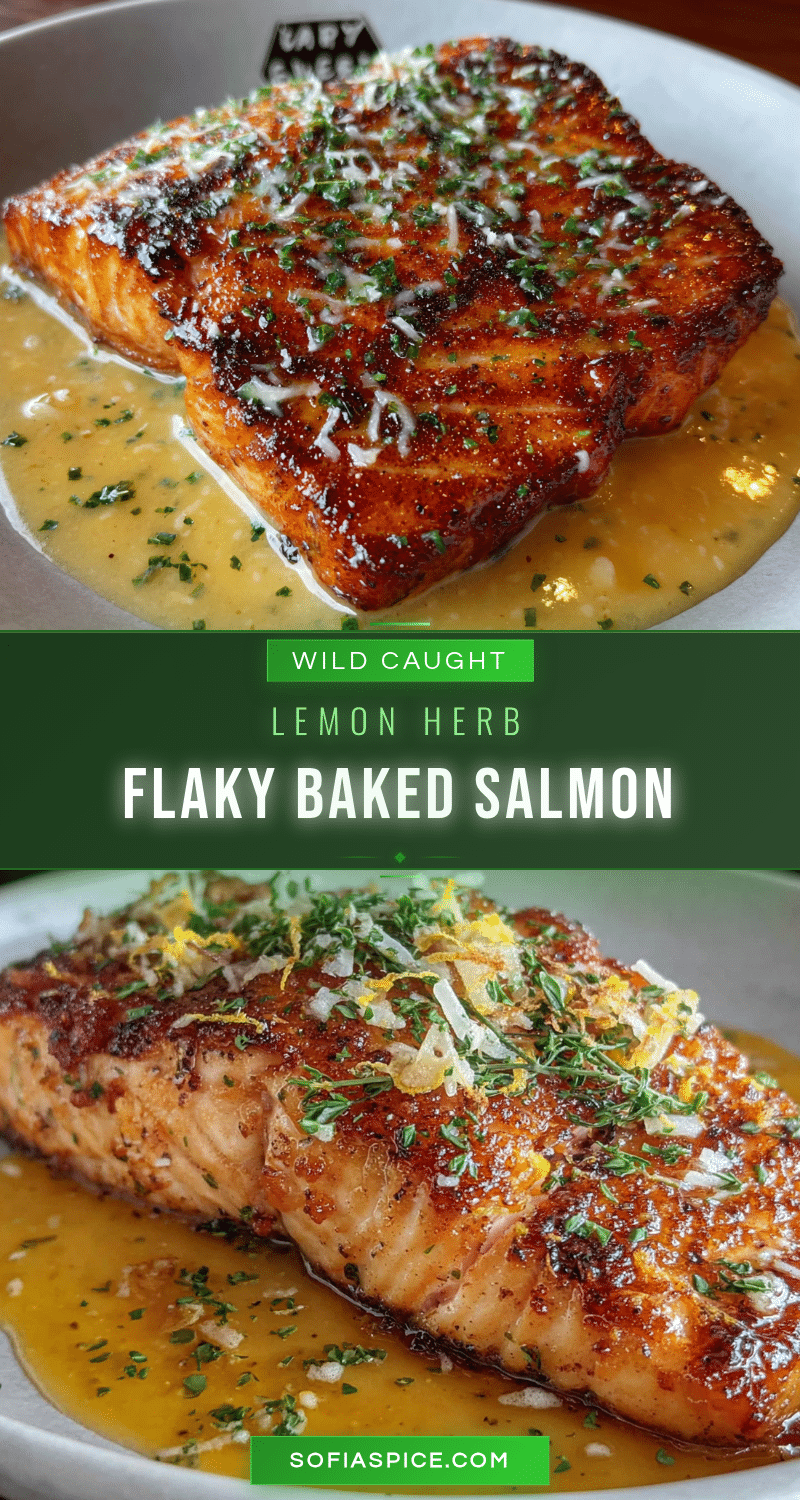
Perfect Baked Salmon with Lemon Butter Sauce
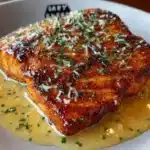
This baked salmon with lemon butter sauce is tender, flaky, and ready in under 30 minutes. The simple lemon butter sauce creates a flavorful bath that keeps the fish moist and delicious.
- Prep Time: 10 minutes
- Cook Time: 15 minutes
- Total Time: 25 minutes
- Yield: 4 servings 1x
- Category: Main Course
- Cuisine: American
Ingredients
- 4 salmon fillets (about 6 ounces each)
- 4 tablespoons unsalted butter, melted
- 3 tablespoons freshly squeezed lemon juice
- 4 cloves garlic, minced
- 1 teaspoon lemon zest
- 1 teaspoon Dijon mustard
- 1 teaspoon honey
- 1 tablespoon olive oil
- Salt and black pepper to taste
- 2 tablespoons fresh parsley, chopped (for garnish)
- Lemon wedges (optional, for serving)
Instructions
- Preheat the oven to 400°F (200°C). Position a rack in the center of the oven. Let the salmon sit at room temperature for 15 minutes.
- In a small bowl, whisk together the melted butter, lemon juice, minced garlic, lemon zest, Dijon mustard, and honey until smooth and slightly thickened, about 30 seconds.
- Pat the salmon fillets dry with paper towels. Season both sides generously with salt and black pepper.
- Brush the bottom of a 9×13-inch baking dish with olive oil. Place the salmon fillets skin-side down in the dish, leaving space between each piece.
- Pour the lemon butter sauce evenly over the salmon fillets, ensuring each fillet is well coated.
- Bake for 12-15 minutes, depending on thickness, until the salmon flakes easily with a fork and the center is just slightly translucent (125-130°F for medium, 135-140°F for well-done).
- Optional: Switch the oven to broil for the last 1-2 minutes for a golden top. Watch carefully.
- Remove from the oven and let the salmon rest in the sauce for 2-3 minutes. Spoon pan sauce over fillets before serving. Garnish with fresh parsley and lemon wedges if desired.
Notes
For best results, let salmon sit at room temperature for 15 minutes before cooking. Use fresh lemon juice, not bottled. The Dijon mustard helps emulsify the sauce. If using wild-caught salmon, be careful not to overcook. Leftovers can be stored in the refrigerator for up to 3 days and reheated gently in a low oven or skillet.
Nutrition
- Serving Size: 1 fillet with sauce
- Calories: 400
- Sugar: 3
- Sodium: 450
- Fat: 28
- Saturated Fat: 11
- Carbohydrates: 4
- Protein: 38
Keywords: baked salmon, lemon butter sauce, easy salmon recipe, weeknight dinner, healthy salmon, gluten-free salmon, keto salmon