“You sure you want to try that method again?” my brother teased as I pulled the prime rib out of the fridge on Christmas morning. Honestly, I was skeptical myself. Reverse searing a prime rib wasn’t in my usual holiday playbook. Usually, it’s the classic high-heat roast, peppercorn crust, and a prayer for juicy results. But that year, the chaos of Christmas morning—the kids running circles, a frantic search for the missing ornament, and my slow realization that the oven was already a little too full—pushed me to try something different.
I’d read about reverse searing from a few chefs and food bloggers, promising a perfectly tender, evenly cooked roast with a crust that’s just right. So, with a bit of caution and a lot of hope, I started the slow roast first. Hours later, the house was filled with that deep, woodsy aroma of roasting beef, the kind that stops conversations and makes everyone peek into the kitchen. When it finally came time to sear, that sizzling sound was music to my ears.
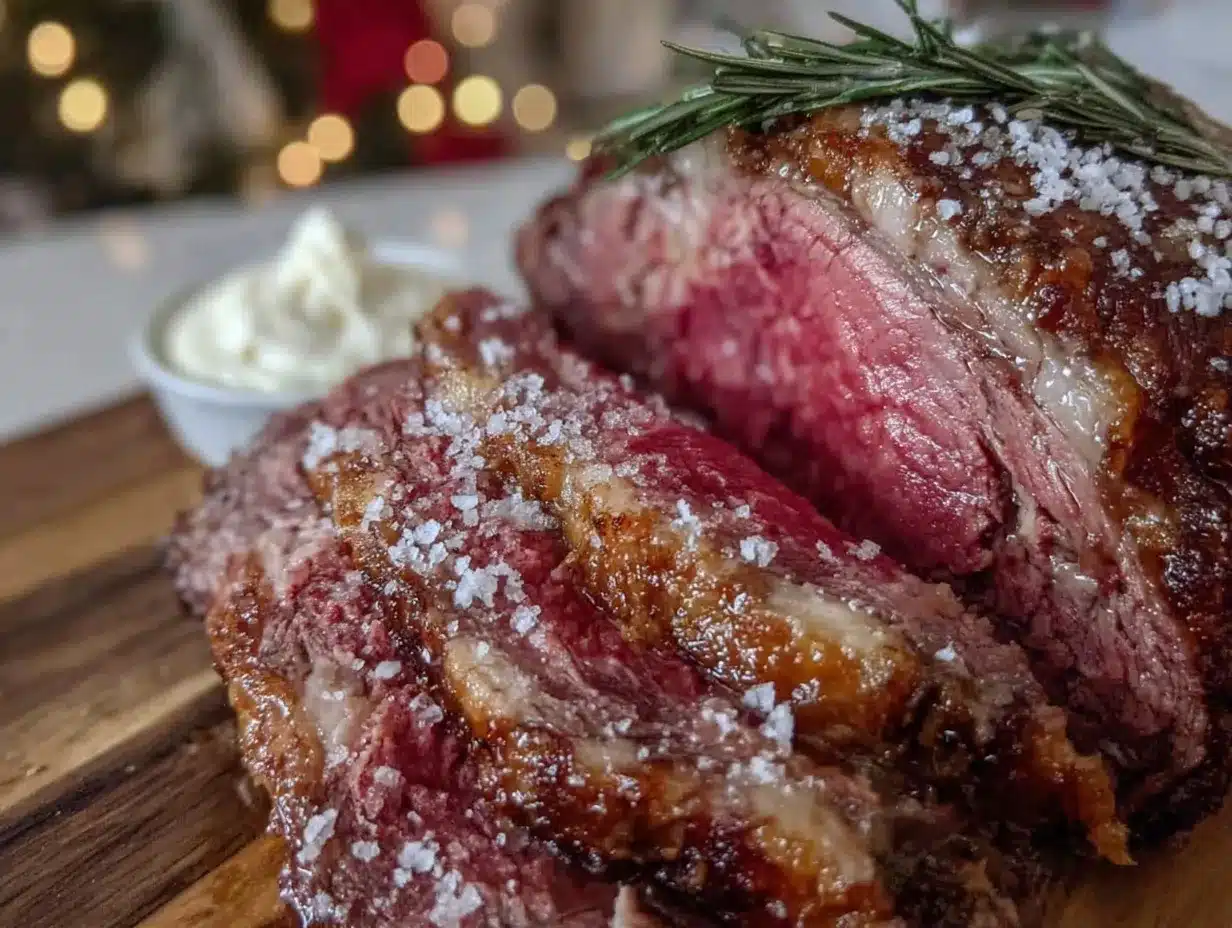
What surprised me most wasn’t just the flavor or texture—it was how the horseradish cream cut through the richness like a cool breeze on a winter day, giving the whole dish a bright, fresh lift. The creamy horseradish sauce came together in minutes, and honestly, it was the perfect pairing I never knew prime rib needed.
Since then, this has become my go-to Christmas dinner. Not just for the impressive look on everyone’s faces, but because it feels like a little moment of calm in the holiday madness—a slow, delicious reward that’s worth every minute. No more poking the roast nervously, no more guessing if it’s done. Just a straightforward method that delivers every time.
So if you’re tired of the usual holiday roast stress, this perfect reverse sear prime rib with horseradish cream might just become your new tradition, too. It’s the kind of recipe that invites you to breathe a little easier, knowing the centerpiece of your Christmas dinner is taken care of.
Why You’ll Love This Recipe
After several holiday seasons of trial and error, this reverse sear prime rib recipe has become a family favorite—and I’m confident it’ll win you over, too. Here’s why:
- Slow and Steady Wins: The low-and-slow roasting method means less worry about overcooking or uneven heat. It’s a forgiving way to get that perfect medium-rare every time.
- Flavorful Crust: The final sear in a hot pan or oven creates a crust that’s crispy and caramelized, sealing in all those juices.
- Simple Ingredients: No complicated spice blends or hard-to-find extras—just quality beef, salt, pepper, and fresh herbs.
- Horseradish Cream Magic: The tangy, creamy horseradish sauce adds a kick that balances the richness of the beef. It’s easy to whip up and brings the whole dish together.
- Impress Without Stress: This recipe frees you from the last-minute oven panic. You can prep early, relax, and still serve a restaurant-quality prime rib.
Unlike traditional prime rib recipes that rely on guesswork or constant oven checks, the reverse sear approach is more consistent and approachable. It’s perfect for holiday dinners when you want the focus to be on the company, not the cooking.
And since you’re working with a prime cut, the natural beef flavor shines through without heavy masking spices. Honestly, the way the meat stays juicy and tender while sporting a crust that’s full of umami is the reason this recipe keeps me coming back year after year.
What Ingredients You Will Need
This recipe keeps things straightforward with ingredients that complement the prime rib’s natural flavor and create that signature horseradish cream on the side. Most of these are pantry staples or easy to find at your local market.
- Prime Rib Roast: 4 to 6 pounds (1.8–2.7 kg), bone-in for better flavor and moisture retention. I prefer USDA Choice or Prime grade for the best marbling.
- Coarse Kosher Salt: About 2 tablespoons, to season generously and develop the crust.
- Freshly Ground Black Pepper: 1 tablespoon, for that classic steakhouse bite.
- Garlic Cloves: 4 cloves, minced or crushed to mix with the rub (adds a savory depth).
- Fresh Rosemary and Thyme: 2 sprigs each, chopped finely to infuse the meat during roasting.
- Olive Oil or Neutral Cooking Oil: 2 tablespoons, for searing and roasting.
For the horseradish cream:
- Prepared Horseradish: 3 tablespoons, freshly grated if you want a sharper kick (I like to use the Inglehoffer brand for balance).
- Sour Cream: ½ cup (120 ml), the creamy base.
- Mayonnaise: 2 tablespoons, for richness and smooth texture.
- Lemon Juice: 1 tablespoon, to brighten and cut through the creaminess.
- Salt and Pepper: To taste, for seasoning the sauce perfectly.
If you want to keep things dairy-free, swap the sour cream and mayo with a plant-based yogurt and vegan mayo. For a gluten-free meal, this recipe naturally fits, but always double-check your horseradish brand for additives.
Equipment Needed
- Oven-Safe Wire Rack and Roasting Pan: A rack allows air circulation for even cooking. If you don’t have one, a sturdy baking sheet with a wire rack works fine.
- Instant-Read Meat Thermometer: Absolutely essential for monitoring internal temperature and avoiding overcooking. I use a ThermoWorks Thermapen—fast and reliable.
- Cast Iron Skillet or Heavy-Bottomed Pan: For the final sear to get that perfect crust. If you don’t have cast iron, a stainless steel pan will do.
- Mixing Bowl and Whisk: For preparing the horseradish cream.
- Sharp Chef’s Knife: For carving the roast cleanly after resting.
Keeping your thermometer calibrated will save you headaches. Also, if you want a budget-friendly option, many brands offer affordable digital thermometers that still deliver accurate results.
Preparation Method
- Bring the Meat to Room Temperature: Remove the prime rib from the fridge about 2 hours before cooking. This helps it cook evenly. Pat it dry with paper towels—moisture is the enemy of a good crust.
- Season Generously: Rub the roast all over with olive oil. Mix the kosher salt, black pepper, garlic, rosemary, and thyme, then massage this herb blend into the meat. Don’t be shy—this is where flavor starts.
- Set Up Your Roasting Station: Position the roast bone-side down on your wire rack inside the roasting pan. Preheat your oven to 225°F (107°C). The low temperature means the roast cooks gently.
- Slow Roast: Place the roast in the oven and roast until the internal temperature reaches 115°F (46°C) for rare, or 120°F (49°C) for medium-rare. This usually takes about 2 to 3 hours for a 5-pound roast, but start checking at 2 hours to avoid overcooking.
- Rest the Roast: Remove the roast from the oven, tent it loosely with foil, and rest for 20-30 minutes. The internal temperature will rise about 10°F (5°C) during this time, and juices redistribute.
- Prepare the Horseradish Cream: While the meat rests, stir together horseradish, sour cream, mayonnaise, lemon juice, salt, and pepper in a bowl. Adjust horseradish to your preferred heat level.
- Sear for the Perfect Crust: Heat your cast iron skillet over high heat until smoking. Add a little oil, then sear the roast on all sides until deep brown and crisp—about 1-2 minutes per side. Alternatively, you can place the roast under the broiler for 3-5 minutes, watching carefully.
- Slice and Serve: After searing, let the roast rest 5 minutes before carving. Use a sharp knife to slice against the grain into thick, juicy slices. Serve immediately with horseradish cream on the side.
Quick tip: Don’t skip the resting steps. It’s tempting to carve right away, but resting makes all the difference for juicy meat and a tender slice.
Cooking Tips & Techniques
The reverse sear method is a game changer, but there are a few tricks I learned the hard way. First, the thermometer is your best friend—relying on time alone can lead to overcooked or underdone prime rib.
Another thing: keep the roast uncovered in the fridge overnight if you can. This dries out the surface slightly, helping the crust develop better during searing. I didn’t believe this until I tried it, and honestly, the difference was striking.
When searing, make sure your pan is really hot. If the pan isn’t hot enough, you’ll end up steaming the meat rather than crisping it. Also, avoid crowding the pan if you’re searing a large roast in pieces; do it in batches if needed.
One common mistake is skipping the slow roast step and going straight to sear, which usually results in an unevenly cooked roast. The slow roast ensures heat penetrates gently and evenly, which is why the texture is so much better.
And don’t rush the horseradish cream. Let it rest in the fridge at least 10 minutes before serving so the flavors meld. It’s worth the wait.
Variations & Adaptations
- Herb and Mustard Crust: Mix Dijon mustard into the rub with herbs for a tangy crust that pairs wonderfully with the horseradish cream.
- Garlic and Parmesan Butter: After searing, spread a garlic-parmesan butter over the roast for an extra layer of richness and flavor.
- Spiced Horseradish Cream: Add a pinch of smoked paprika or cayenne to the horseradish sauce for a smoky, spicy twist.
- Oven Broil Sear: If you prefer not to use a skillet, broil the roast for 3-5 minutes to get that crust, keeping a close eye to prevent burning.
- Allergen-Friendly: Use coconut yogurt and vegan mayo in the horseradish cream for a dairy-free option.
Once, I swapped regular horseradish for wasabi paste on a whim—totally unconventional but surprisingly delicious for a Japanese-themed Christmas twist. Feel free to experiment based on your palate.
Serving & Storage Suggestions
This prime rib is best served warm, sliced thick and paired with the horseradish cream on the side. Presentation-wise, a platter garnished with fresh rosemary sprigs, coarse salt, and cracked black pepper looks stunning and festive.
For sides, classic roasted vegetables or creamy mashed potatoes work beautifully. If you want a lighter option, consider a crisp winter salad or steamed green beans. Pair your dinner with a bold red wine like Cabernet Sauvignon or Malbec to complement the rich beef flavor.
Leftovers? Wrap tightly in foil or plastic wrap and store in the refrigerator for up to 4 days. For longer storage, slice and freeze in airtight containers for up to 3 months. Reheat gently in a low oven or covered skillet to avoid drying out.
Interestingly, the flavors deepen after a day, so if you can hold off, the next-day prime rib sandwiches with horseradish cream are honestly a Christmas miracle. For a quick dinner, I sometimes pair leftover slices with garlic butter shrimp and zucchini noodles for a fancy but speedy meal.
Nutritional Information & Benefits
Prime rib is a rich source of protein and essential nutrients like iron, zinc, and B vitamins, which support energy and immune health—something to appreciate during the busy holiday season. A 3-ounce (85 g) serving typically contains around 250-300 calories, depending on fat content.
The horseradish cream adds a bit of tang and spice with minimal calories, plus horseradish itself contains antioxidants and compounds that may aid digestion.
Keep in mind this dish is naturally gluten-free, though it’s higher in fat and calories, so enjoy it as a special occasion treat. For a lighter meal, you can pair the prime rib with plenty of vegetables and swap full-fat sour cream for a lighter yogurt base in the sauce.
Conclusion
Making this perfect reverse sear prime rib with horseradish cream has changed how I approach Christmas dinner. It’s less stressful, more reliable, and honestly, so much tastier than the usual roast. The slow roast followed by a quick sear gives you that picture-perfect crust and juicy interior every time.
What I really love is how the horseradish cream cuts through the richness, making each bite feel fresh and balanced. Feel free to tweak the herbs or spice level in the sauce to make it your own—it’s a flexible recipe that welcomes personalization.
If you try this recipe this Christmas, I’d love to hear how it turns out or what variations you discover. Sharing these moments and recipes is what makes cooking so special.
Here’s to a delicious and memorable holiday feast!
Frequently Asked Questions
What is reverse searing and why is it good for prime rib?
Reverse searing means roasting the meat slowly at a low temperature first, then searing it at high heat at the end to create a crust. This method ensures even cooking, juicy meat, and a perfectly browned exterior.
How do I know when the prime rib is done?
Use an instant-read meat thermometer. For medium-rare, pull the roast at about 120°F (49°C) before resting, as it will rise to around 130°F (54°C) during rest.
Can I use a boneless prime rib for this recipe?
Yes, boneless works fine but the bone adds flavor and helps retain moisture. Adjust cooking time slightly for boneless cuts.
How spicy is the horseradish cream?
The heat level depends on the amount and freshness of horseradish used. You can adjust the amount or mix in extra sour cream or mayo to mellow it out.
Can I prepare this recipe ahead of time?
You can season and slow roast the prime rib earlier in the day, then sear right before serving. The horseradish cream can be made a day ahead to develop flavor.
Pin This Recipe!
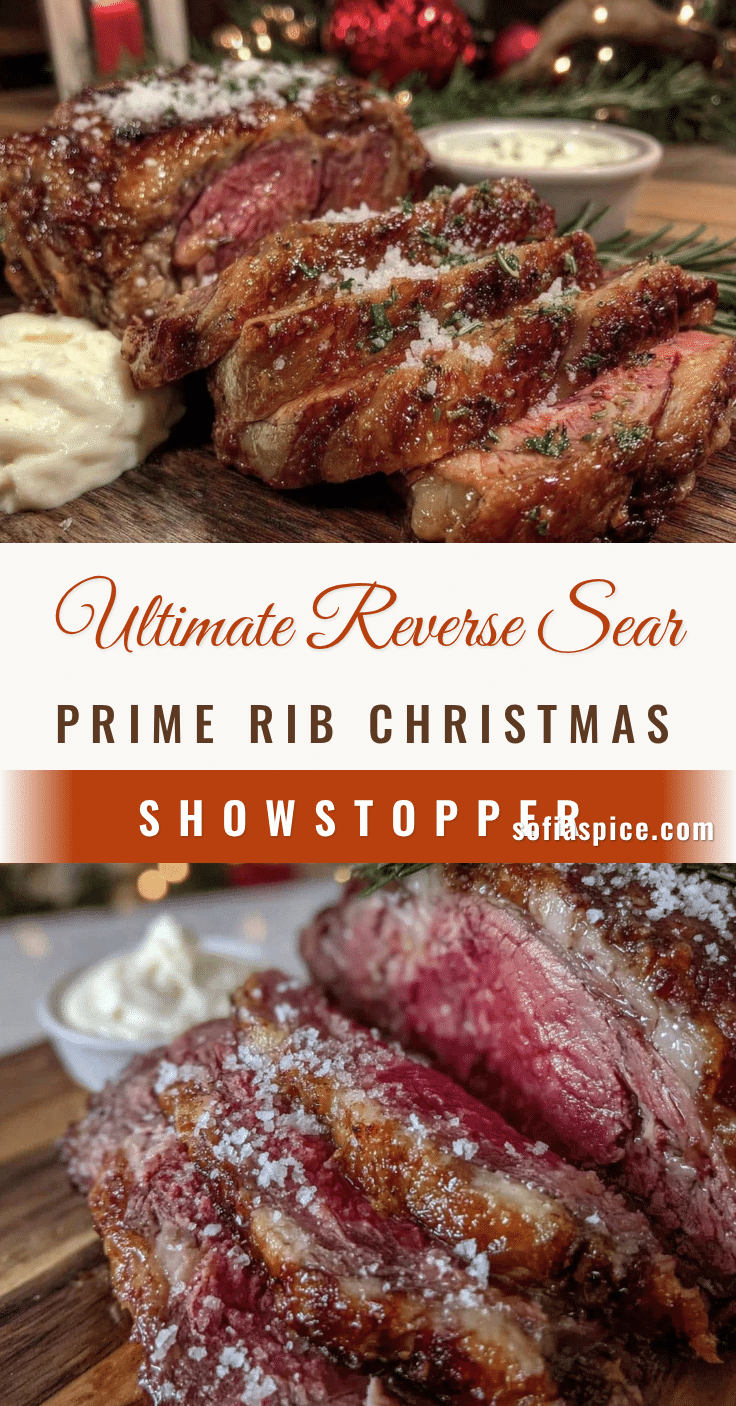
Perfect Reverse Sear Prime Rib Recipe with Horseradish Cream for Christmas Dinner
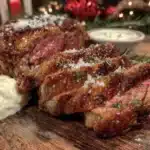
A foolproof reverse sear prime rib recipe that delivers a tender, juicy roast with a flavorful crust, paired perfectly with a tangy horseradish cream sauce. Ideal for stress-free holiday dinners.
- Prep Time: 15 minutes
- Cook Time: 2 to 3 hours
- Total Time: 2 hours 45 minutes to 3 hours 15 minutes
- Yield: 8 servings 1x
- Category: Main Course
- Cuisine: American
Ingredients
- 4 to 6 pounds bone-in prime rib roast (USDA Choice or Prime grade preferred)
- 2 tablespoons coarse kosher salt
- 1 tablespoon freshly ground black pepper
- 4 garlic cloves, minced or crushed
- 2 sprigs fresh rosemary, chopped finely
- 2 sprigs fresh thyme, chopped finely
- 2 tablespoons olive oil or neutral cooking oil
- 3 tablespoons prepared horseradish (freshly grated preferred)
- ½ cup sour cream (120 ml)
- 2 tablespoons mayonnaise
- 1 tablespoon lemon juice
- Salt and pepper to taste
Instructions
- Remove the prime rib from the fridge about 2 hours before cooking to bring it to room temperature. Pat dry with paper towels.
- Rub the roast all over with olive oil. Mix kosher salt, black pepper, garlic, rosemary, and thyme, then massage this herb blend into the meat.
- Place the roast bone-side down on a wire rack inside a roasting pan. Preheat oven to 225°F (107°C).
- Slow roast the prime rib in the oven until the internal temperature reaches 115°F (46°C) for rare or 120°F (49°C) for medium-rare, about 2 to 3 hours. Start checking at 2 hours.
- Remove the roast from the oven, tent loosely with foil, and rest for 20-30 minutes. The internal temperature will rise about 10°F (5°C).
- While the roast rests, prepare the horseradish cream by stirring together horseradish, sour cream, mayonnaise, lemon juice, salt, and pepper in a bowl. Adjust horseradish to taste.
- Heat a cast iron skillet over high heat until smoking. Add a little oil, then sear the roast on all sides until deep brown and crisp, about 1-2 minutes per side. Alternatively, broil the roast for 3-5 minutes, watching carefully.
- Let the roast rest 5 minutes after searing, then carve against the grain into thick slices. Serve immediately with horseradish cream on the side.
Notes
Keep the thermometer calibrated for best results. Resting the roast after slow roasting and after searing is essential for juicy meat. Dry the roast uncovered in the fridge overnight if possible to improve crust development. Adjust horseradish cream heat by varying horseradish amount. For dairy-free, substitute sour cream and mayo with plant-based yogurt and vegan mayo.
Nutrition
- Serving Size: 3 ounces (85 grams)
- Calories: 275
- Sugar: 1
- Sodium: 450
- Fat: 20
- Saturated Fat: 7
- Carbohydrates: 2
- Protein: 22
Keywords: prime rib, reverse sear, horseradish cream, Christmas dinner, holiday roast, beef roast, slow roast, seared prime rib